Introduction
Bali is not only famous for its breathtaking landscapes and vibrant culture but also for its deep spiritual wisdom. At the heart of Balinese life lies Tri Hita Karana — a timeless philosophy that emphasizes harmony and balance as the key to happiness and prosperity.

What Is Tri Hita Karana?
The term Tri Hita Karana comes from Sanskrit:
Tri means three
Hita means happiness or well-being
Karana means cause or source
Therefore, Tri Hita Karana translates to “the three causes of well-being and harmony.”
This concept serves as a moral compass for Balinese people in their daily lives — guiding how they relate to God, other humans, and nature.
The Three Pillars of Tri Hita Karana
1. Parahyangan – Harmony with God
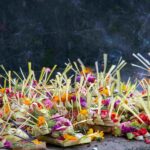
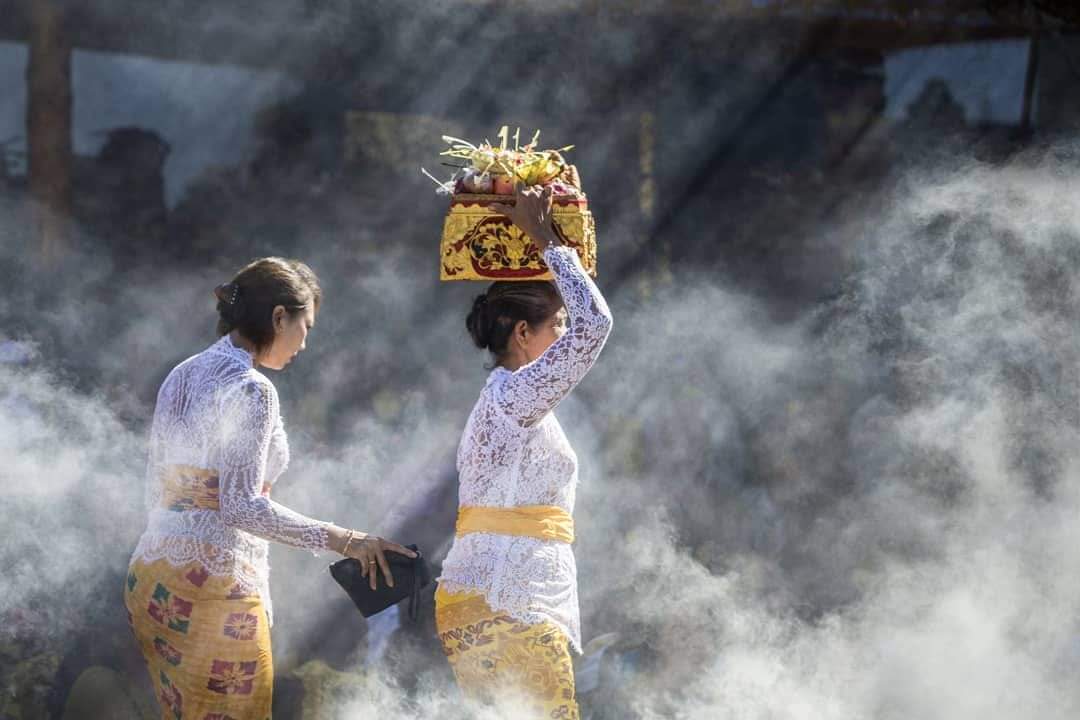
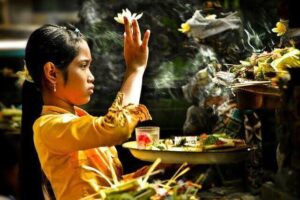
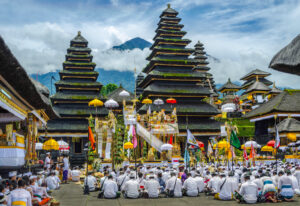
This aspect focuses on maintaining a strong spiritual connection with the Divine. Balinese people express this relationship through daily offerings (canang sari), prayers, temple ceremonies, and acts of gratitude to Sang Hyang Widhi Wasa (the Almighty God).
Example: morning offerings, temple visits, and maintaining the purity of sacred spaces.
2. Pawongan – Harmony Among People
Pawongan teaches respect and cooperation among human beings. It reflects the Balinese value of community (gotong royong), mutual help, and social harmony.
Example: supporting neighbors, participating in community ceremonies, and speaking politely.
3. Palemahan – Harmony with Nature
Palemahan represents the relationship between humans and the natural world. Balinese culture views nature as a sacred partner that sustains life.
Example: keeping the environment clean, honoring nature through rituals like Tumpek Uduh (a ceremony to respect plants), and practicing eco-friendly habits.
Tri Hita Karana in Modern Bali
Though rooted in ancient tradition, the philosophy of Tri Hita Karana remains highly relevant today. It has become a foundation for sustainable tourism and community-based development in Bali.
Many resorts, hotels, and organizations adopt these principles to balance spiritual, social, and environmental well-being — ensuring that tourism supports local life instead of disrupting it.
Conclusion
Tri Hita Karana is more than just a cultural belief — it’s a universal philosophy of harmony. By living in balance with God, people, and nature, we cultivate peace and happiness both within ourselves and in the world around us.
This ancient Balinese wisdom continues to inspire modern life, reminding us that true prosperity begins with harmony.